Closing Chicago’s Life Expectancy Gap by Tackling High Blood Pressure
An interview with Dr. David Ansell on why hypertension matters, what people can do today, and how Live Healthy Chicago aims to shrink the city’s life-expectancy divide.
An interview with Dr. David Ansell on why hypertension matters, what people can do today, and how Live Healthy Chicago aims to shrink the city’s life-expectancy divide.
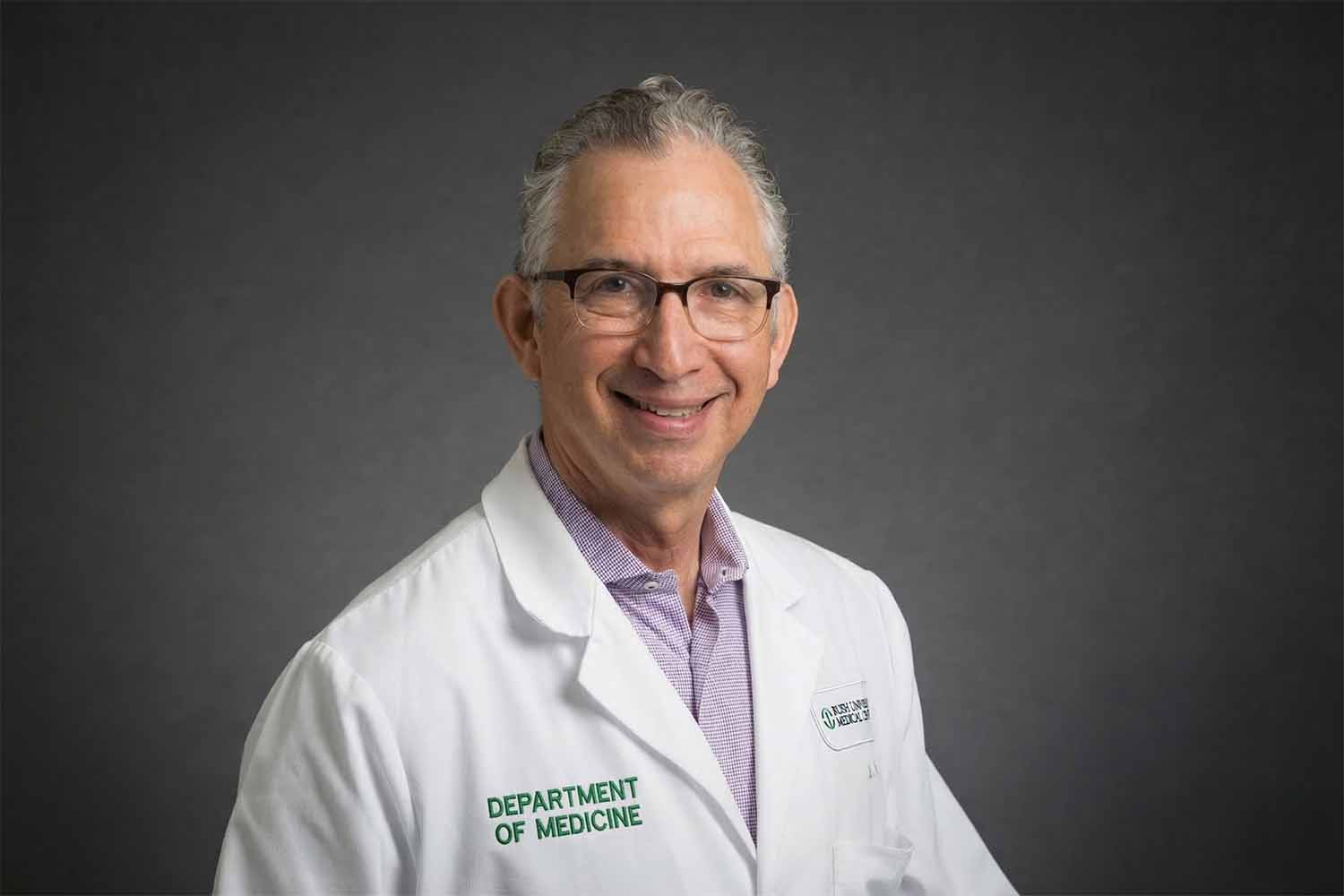
Who Dr. David Ansell Is—and Why This Work Became His Life’s Focus
Dr. David Ansell is a Rush primary care physician and a social epidemiologist—someone who studies the social causes of disease and how to reduce unfair gaps in health outcomes. In his view, the most urgent and unjust gap is the life expectancy gap: the difference in how long people live depending on which neighborhood they call home.
He frames this as a “wicked problem”—a complex challenge that can’t be solved by pulling a single thread. Instead, it requires a long-term, collaborative approach: many people with different expertise around the same table, building “collective efficacy,” and creating momentum over time as early wins begin to compound.
Why Hypertension Is the “One Thing” That Can Change Everything
Hypertension (high blood pressure) is central to Live Healthy Chicago because it’s both common and deeply tied to preventable early death. Dr. Ansell emphasizes that uncontrolled blood pressure can lead to:
- Strokes
- Heart attacks
- Heart failure
- Kidney damage
- Memory loss and cognitive decline
He points out a harsh reality: the consequences often show up before age 65, creating ripple effects—lost years, lost function, and disrupted families.
“If people do only one thing, it should be to get their blood pressure checked.” Dr. Ansell compares it to maintaining a car—except the body doesn’t always give a warning light. Blood pressure can be dangerous long before you “feel” anything.
The Hidden Driver: Conditions That Create Disease in the First Place
Dr. Ansell stresses that high blood pressure is not just a clinic problem—it’s a conditions problem. He highlights the factors that shape risk long before someone ever sees a cuff:
- Safe neighborhoods
- Access to healthy food
- Ability to exercise
- Sleep quality
- Chronic stress and strain
Managing hypertension is often medically straightforward—but changing the conditions that cause and worsen it is far more complex. That’s why the initiative is designed to work on treatment and the surrounding environment at the same time.
From the Life Expectancy Gap to West Side United to Live Healthy Chicago
Dr. Ansell explains how his long experience in Chicago—especially years embedded in communities through Cook County Hospital and Mount Sinai—led him to see two realities at once: the illness in individual patients and the illness concentrated in neighborhoods.
That insight ultimately became his book, “The Death Gap: How Inequality Kills,” and later a decision to leave a traditional executive role to focus full-time on closing the life expectancy gap. This work helped spark West Side United, which originally targeted a small number of high-impact areas, including maternal/child health and hypertension.
After the disruptions of the COVID era—when the coalition pivoted into emergency racial equity response work—this effort was expanded and relaunched as Live Healthy Chicago, with a bigger citywide ambition.
The Core Goal: Reduce Life Expectancy Inequity Driven by Heart Disease and Stroke
Live Healthy Chicago targets the biggest contributor to Chicago’s life expectancy gap: heart disease and stroke. In some neighborhoods, the mortality rate from heart disease and stroke can be four to five times the city’s rate, and blood pressure control rates can be dramatically lower.
Dr. Ansell contrasts Rush’s internal blood pressure control rate (around 78%) with some communities where control may be closer to 50%—meaning only half of people with hypertension are actually controlled. And even that, he cautions, may not reflect newer targets that set the bar lower than older standards.
“Know Your Numbers”: A Simple Call to Action With Citywide Reach
The public-facing behavior change Live Healthy Chicago wants is clear and repeatable:
- Get your blood pressure checked
- Understand what the numbers mean
- Know what to do next—and where to go for help
Dr. Ansell describes this as the foundation of a broader effort to protect not only individual health, but family stability and community wellbeing. He also underscores that pregnancy deserves special attention: hypertension-related complications are a preventable driver of maternal deaths.
Building Trust by Meeting People Where They Are
Because mistrust in healthcare can be widespread—especially in communities that have experienced neglect or harm—the program must work through partnerships and practical access points. The initiative’s strategy includes:
- Training community organizations to measure blood pressure correctly
- Offering checks in everyday settings—community programs, resource sites, and faith communities
- Mobile screenings to reach people outside traditional clinic walls
- Public education that feels relevant and motivating, not fear-based
He notes that older messaging like “the silent killer” may not be effective enough. The newer direction aims to connect hypertension control to what people care about most: protecting your future and your family.
A Major Shift in How Hypertension Should Be Treated
Best practice for hypertension has evolved—and the healthcare system doesn’t always keep up. Dr. Ansell describes the shift away from the old model (occasional readings with a wall cuff) toward a more effective, modern approach:
- Validated automatic cuffs
- Team-based care (not just one clinician)
- Home blood pressure monitoring
- Remote sharing of readings
- Faster medication adjustments when numbers are high
It can take many years for the best evidence to become routine practice everywhere—meaning patients may need to advocate for better measurement and monitoring methods.
What the Website Should Do: Inform, Guide, and Mobilize
Dr. Ansell outlines multiple audiences and jobs-to-be-done for Live Healthy Chicago’s web presence:
- Philanthropy and funders: clearly explain what makes the initiative different and why it matters
- Public awareness: define the challenge in plain, accessible terms
- Action for residents: provide “what do I do now?” pathways for anyone who needs a blood pressure check or guidance after a high reading
He references lessons from breast cancer equity work, where the key function was helping someone quickly answer: “I need a mammogram—how do I get one?” The parallel here is: “I need my blood pressure checked—what’s my next step?”
The Personal Proof Point
Near the end of the conversation, Dr. Ansell shares his own approach to maintaining healthy blood pressure: exercise and a vegetarian diet. A simple but grounded reminder that prevention and daily habits matter—alongside medical care and community-level change.