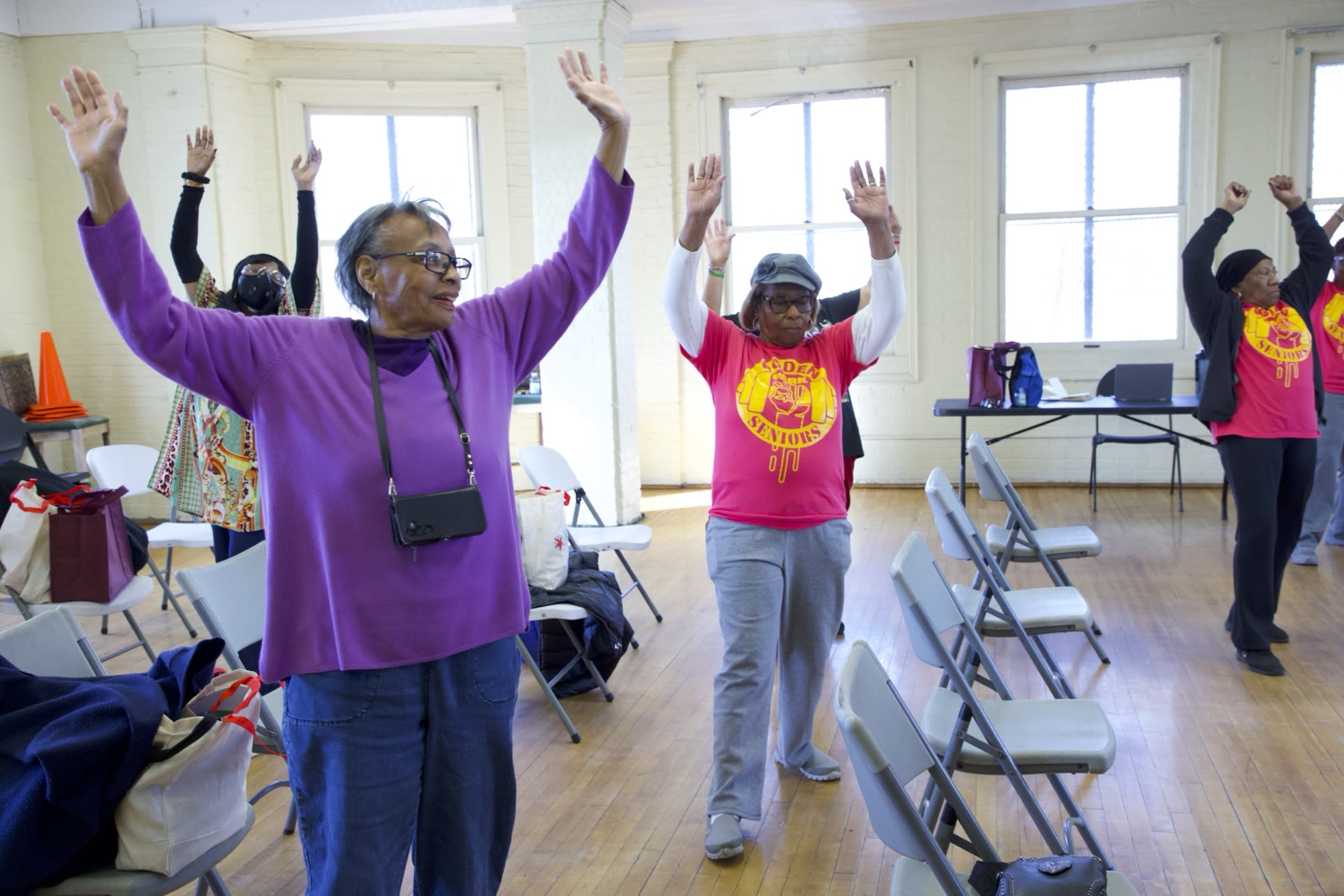
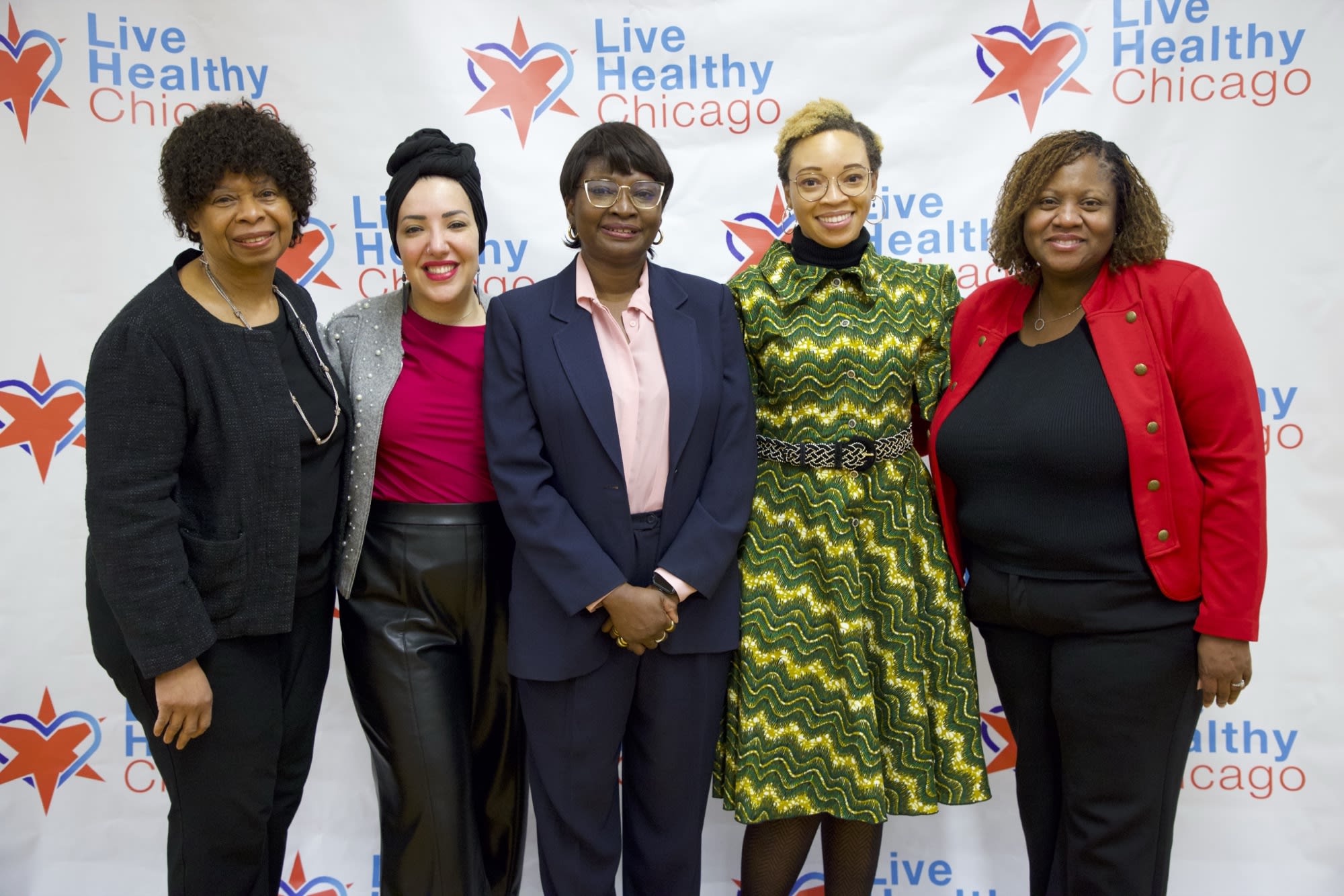
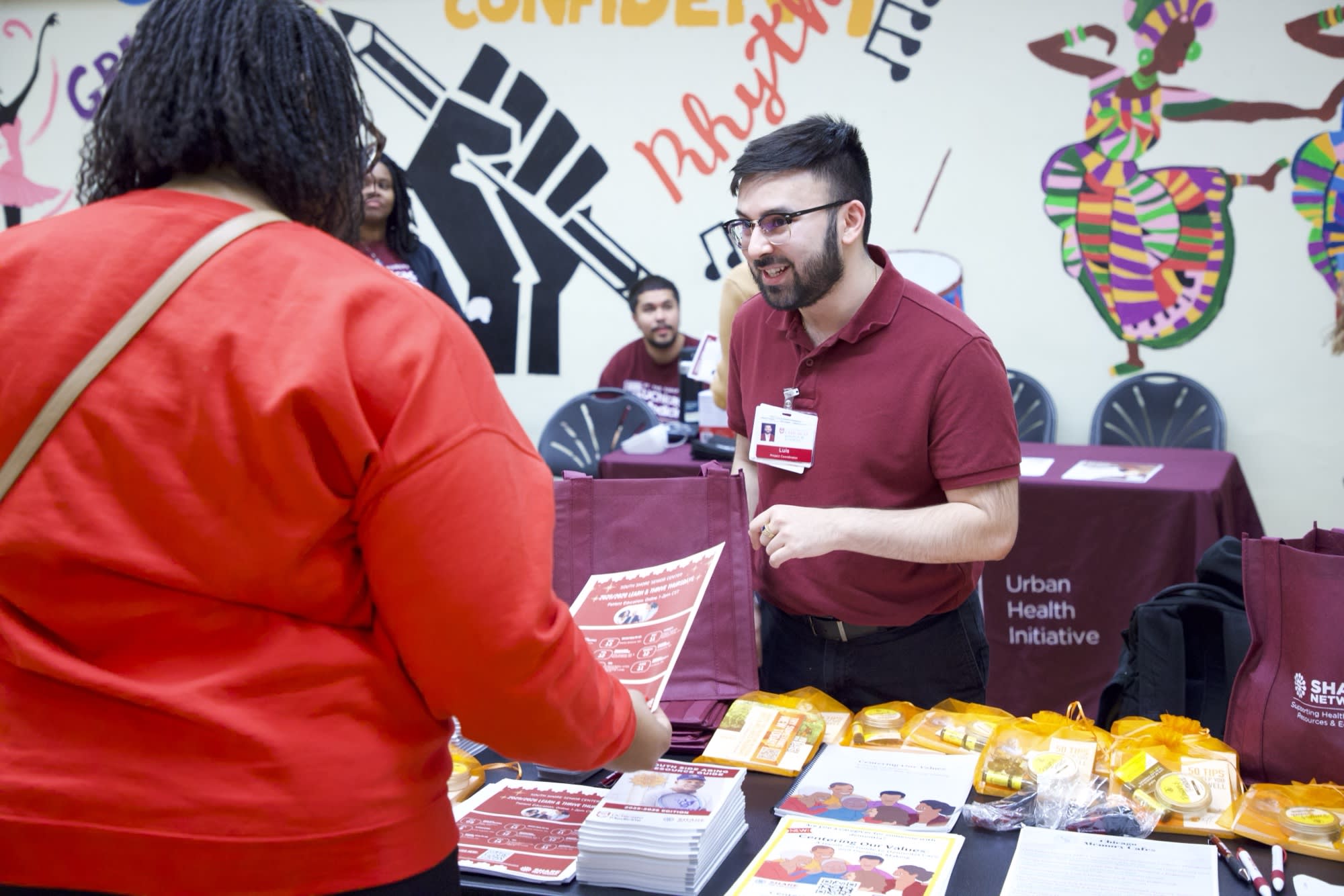
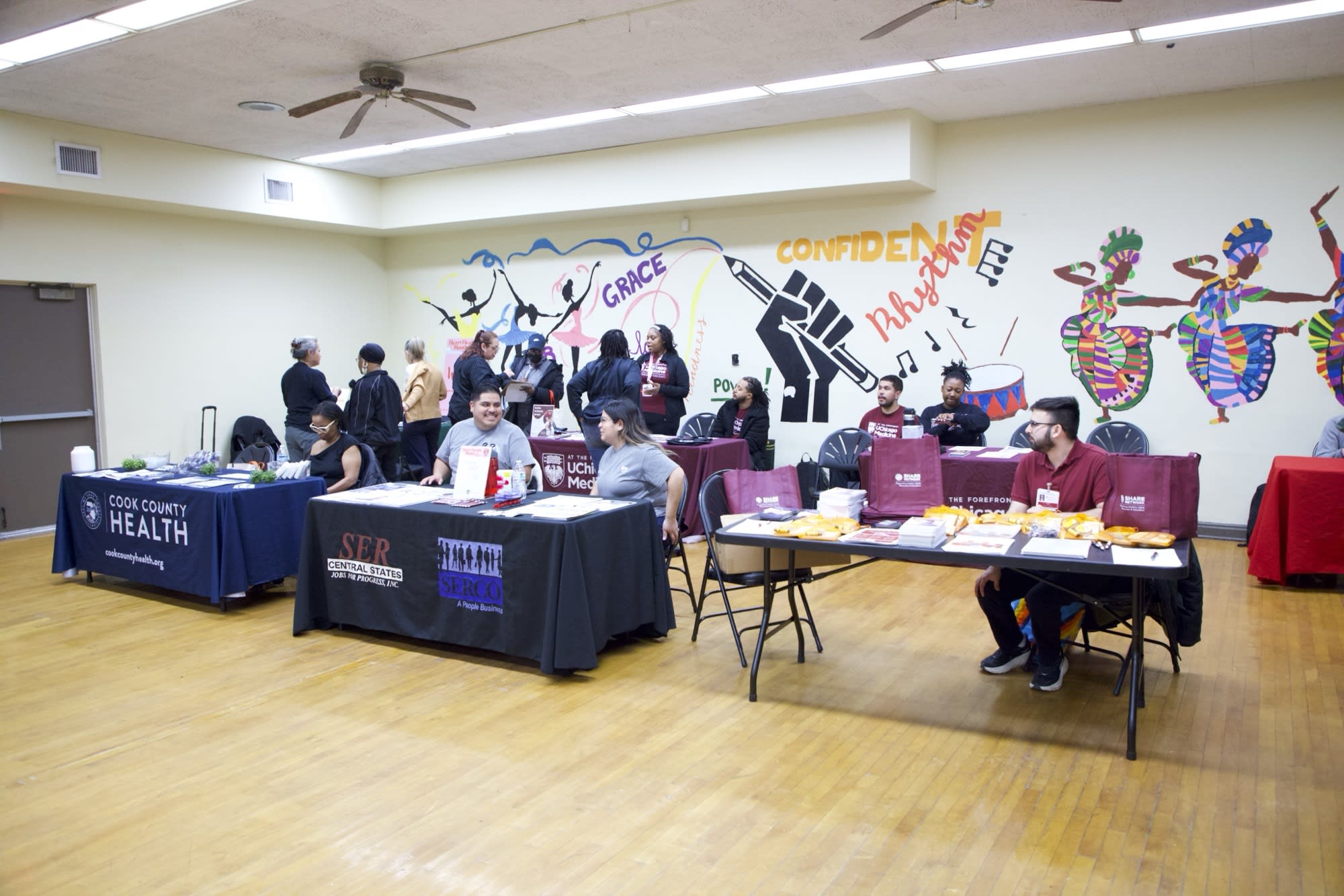
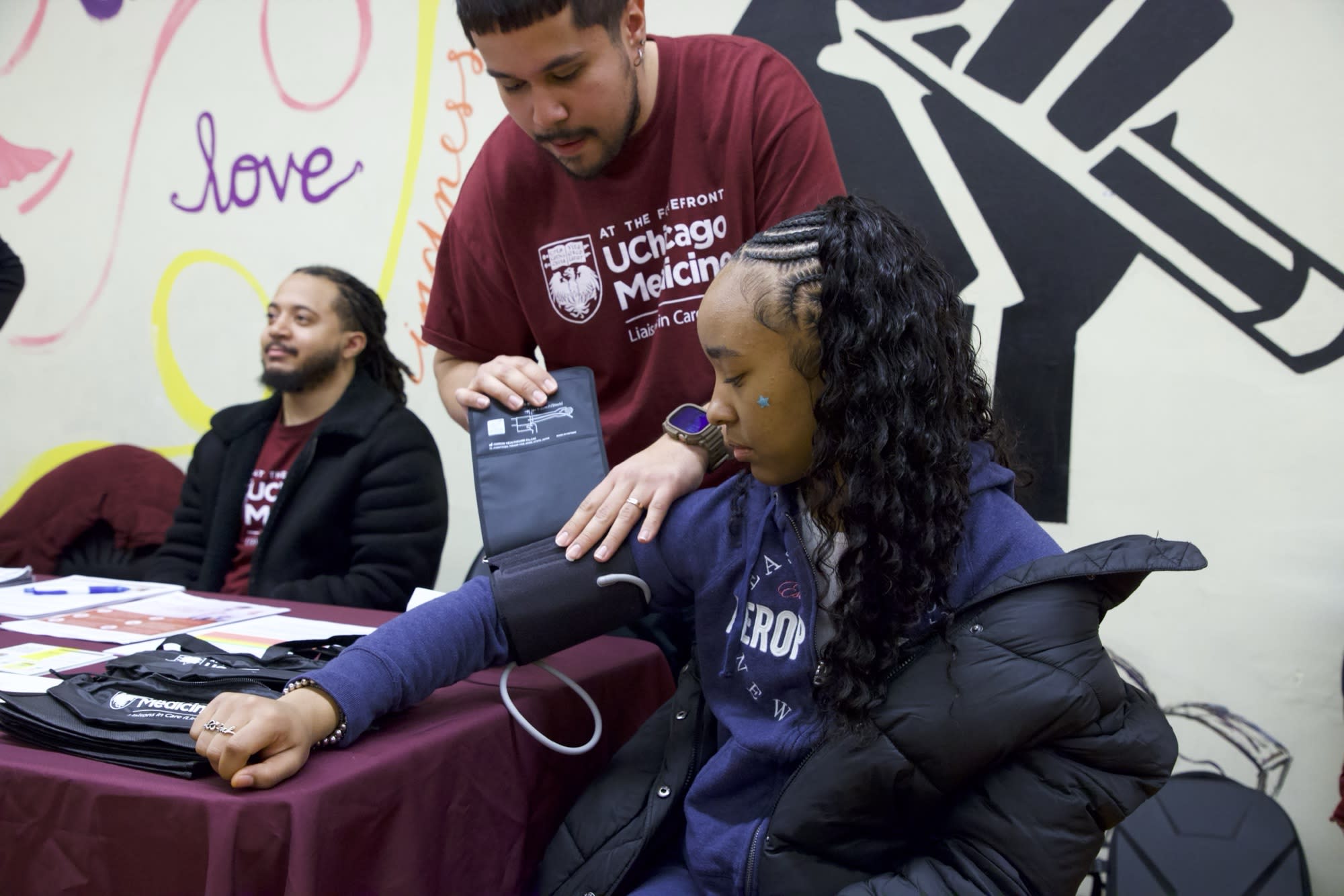
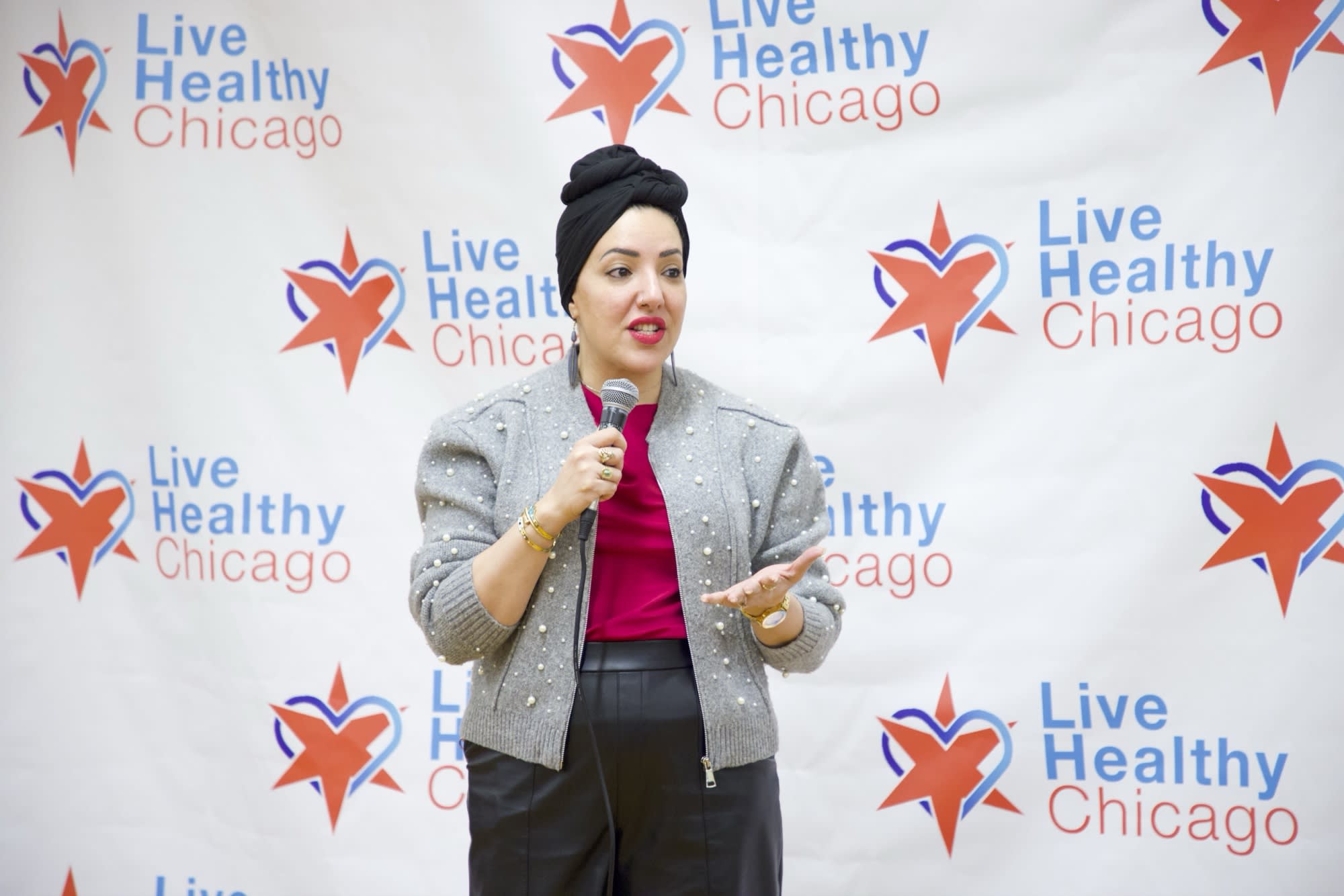
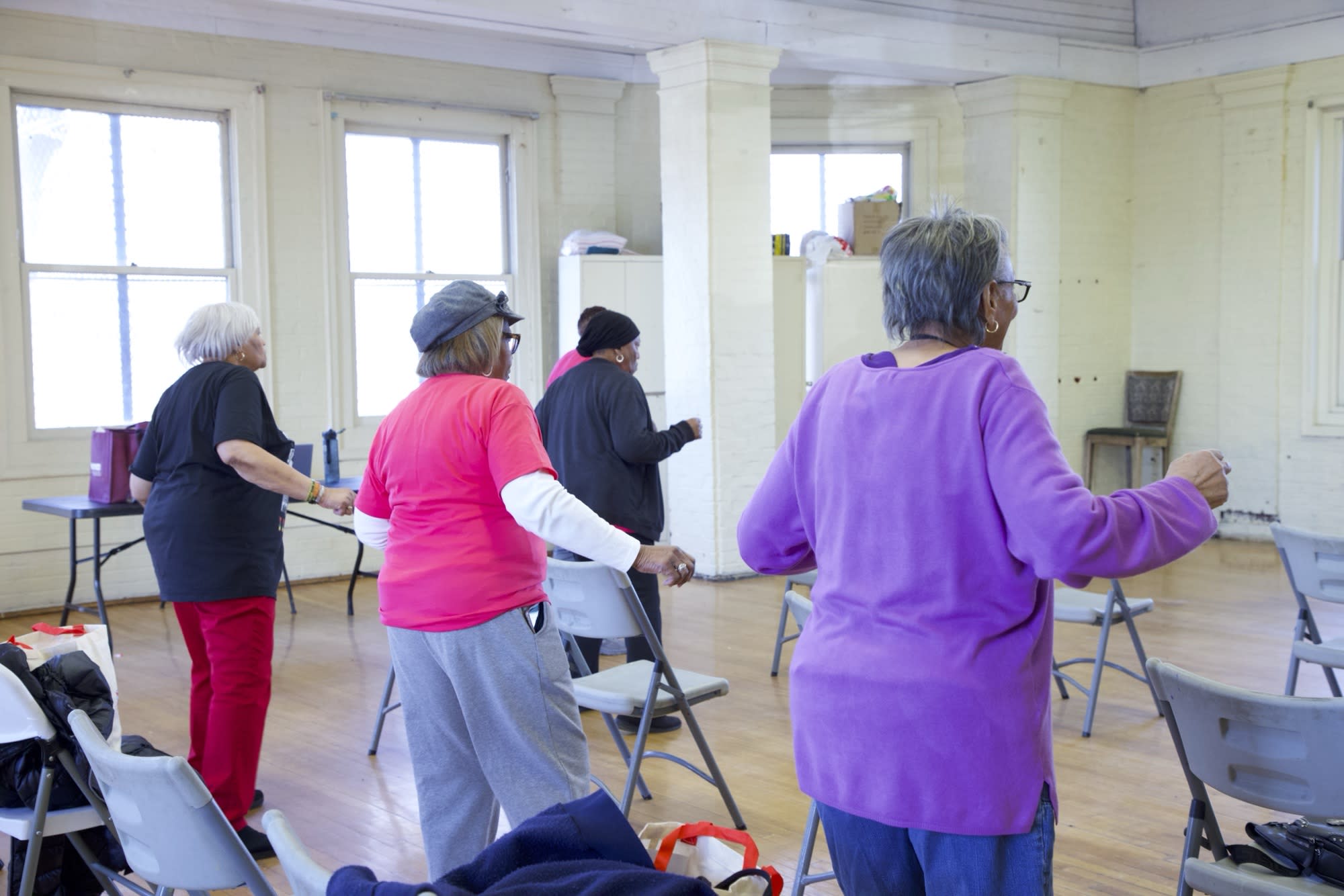
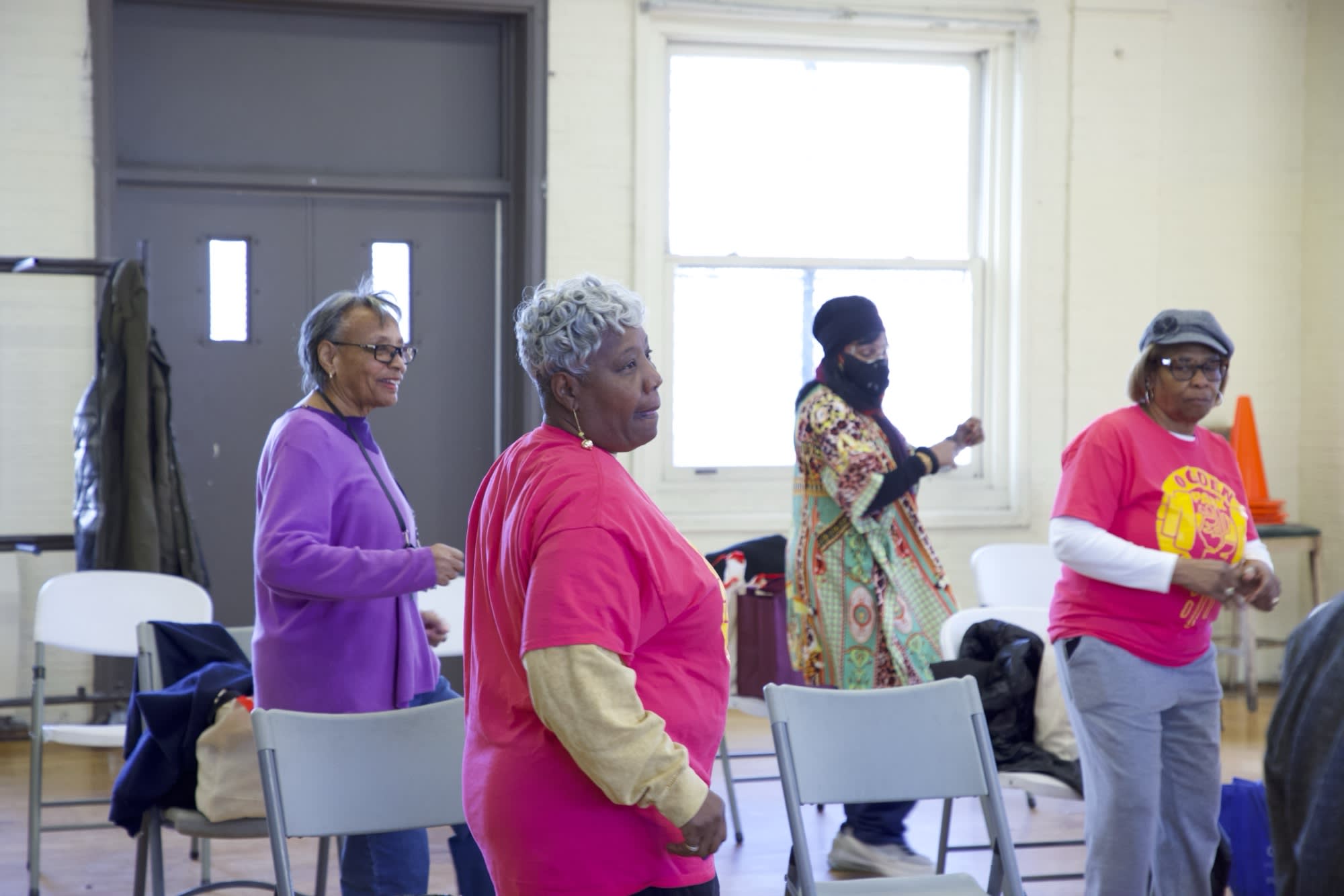
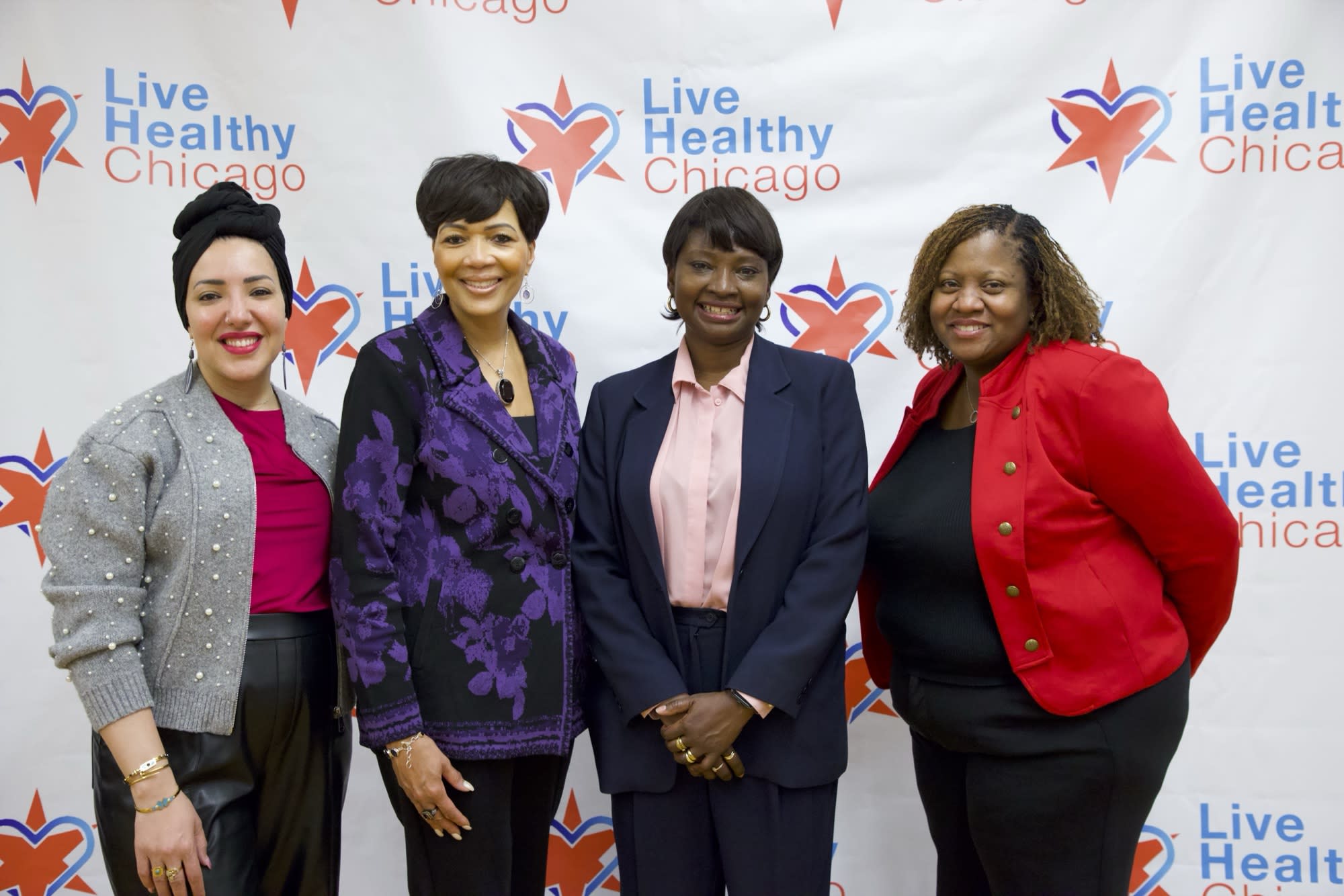
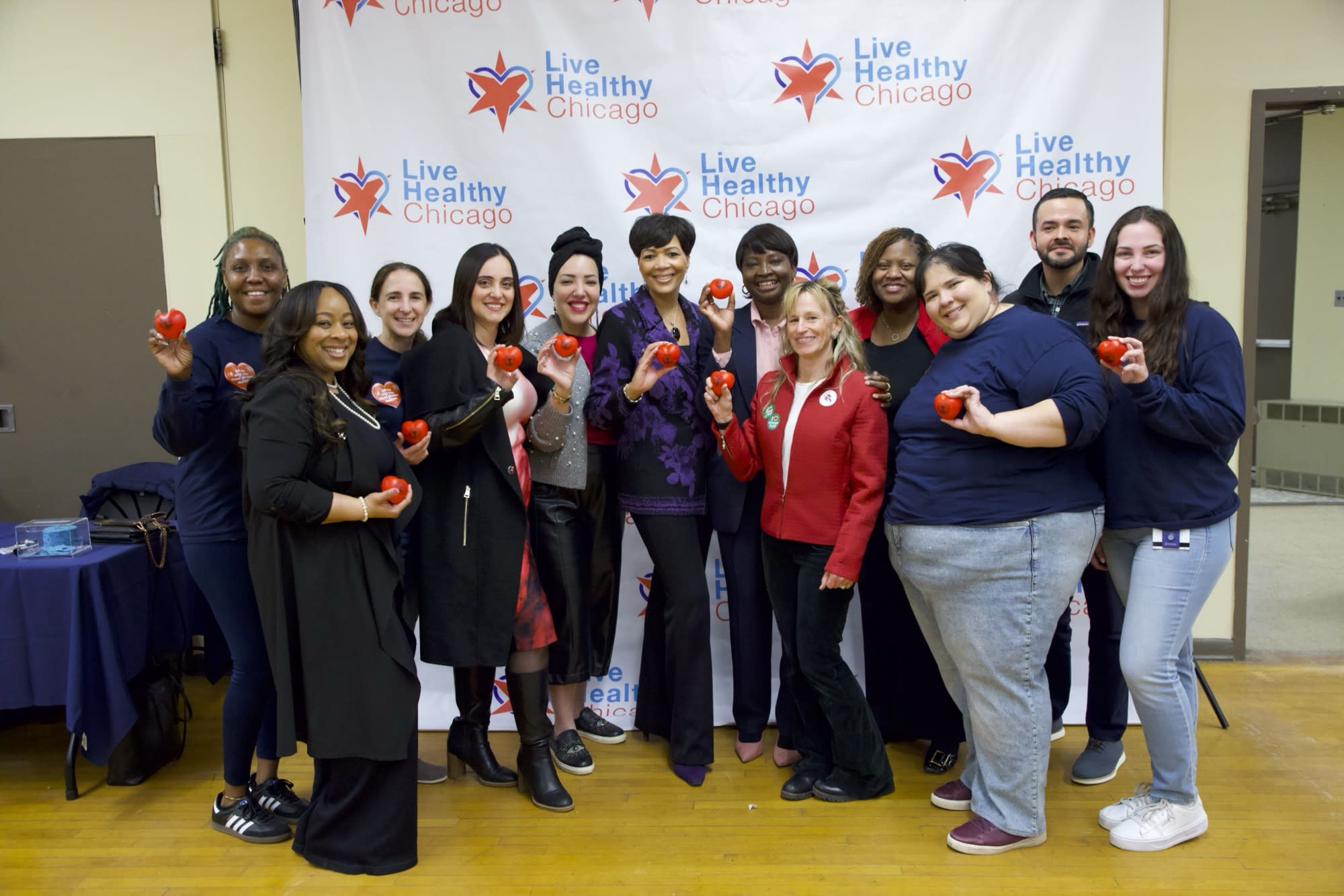
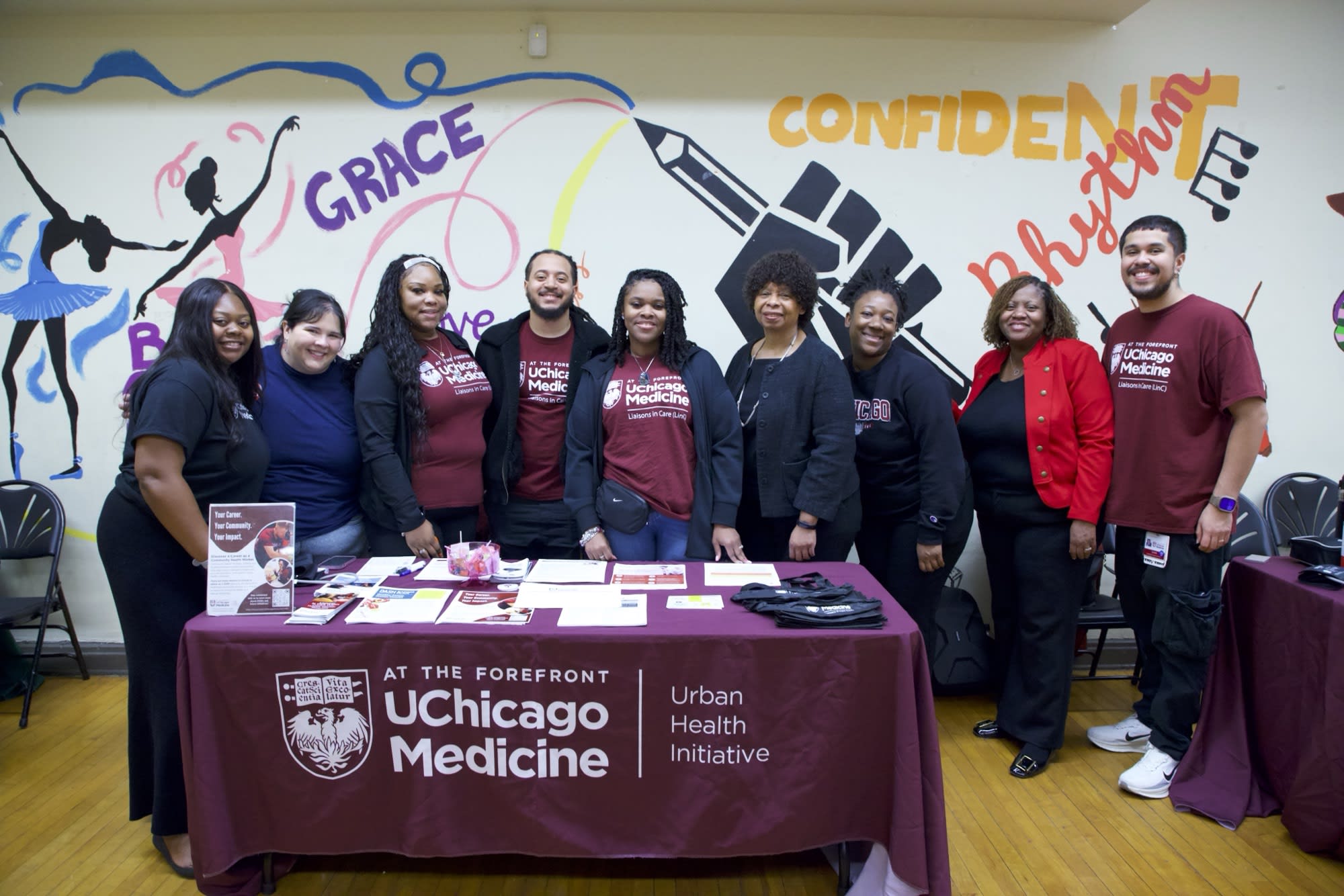
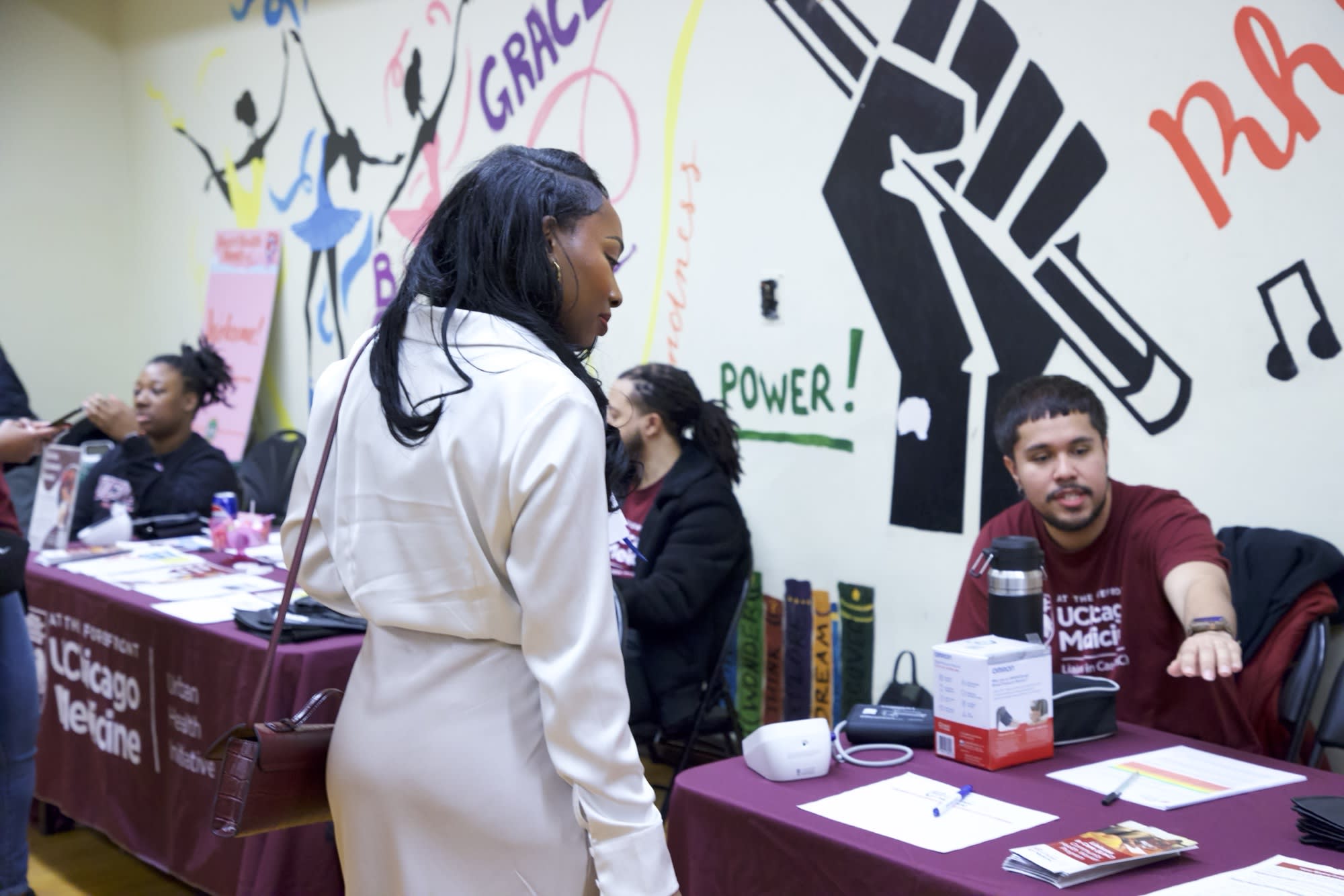
Physicians, community health workers, and partners gathered at a Chicago Park District facility in Englewood for a free blood pressure event — proof that the most effective care starts where people already are.
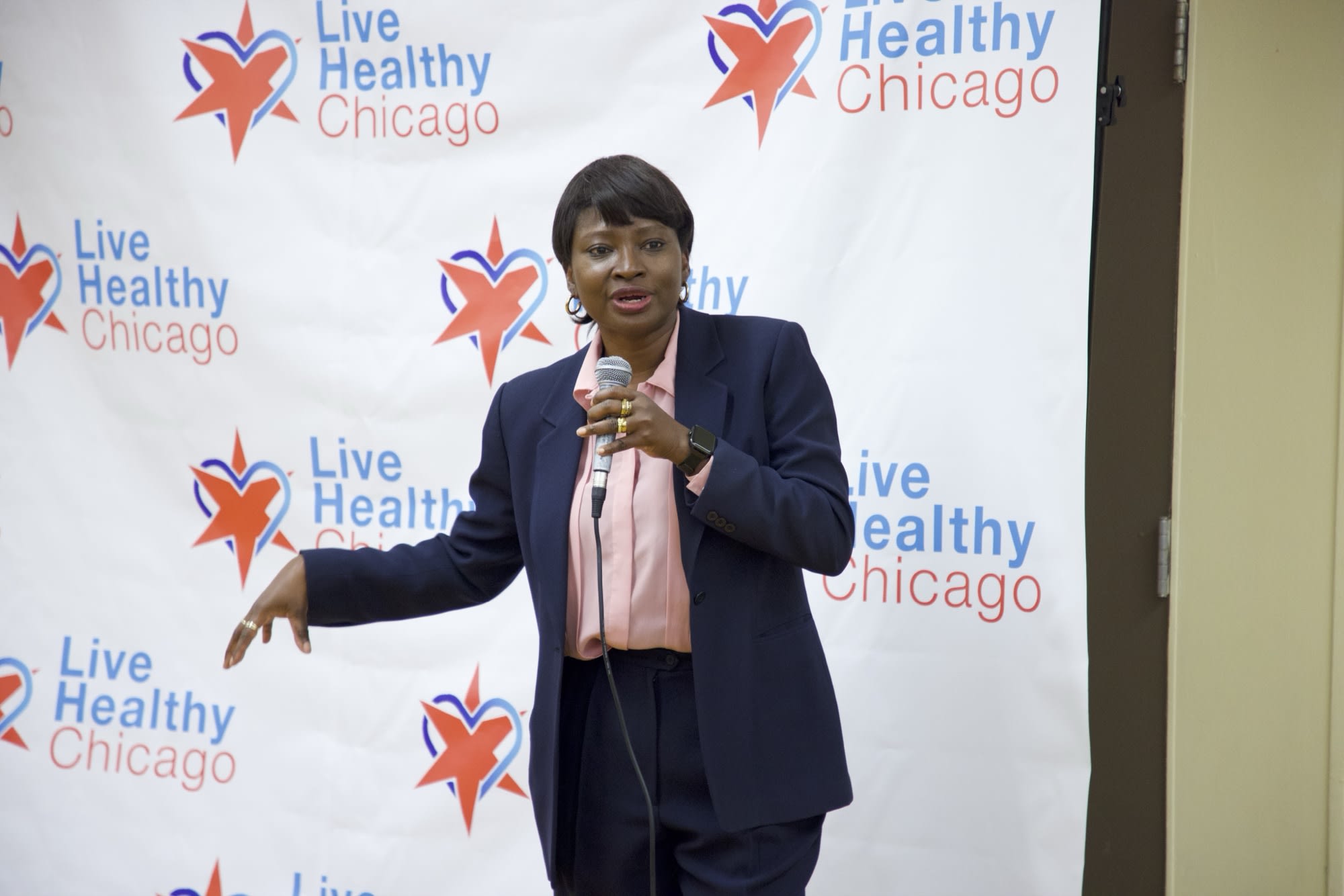
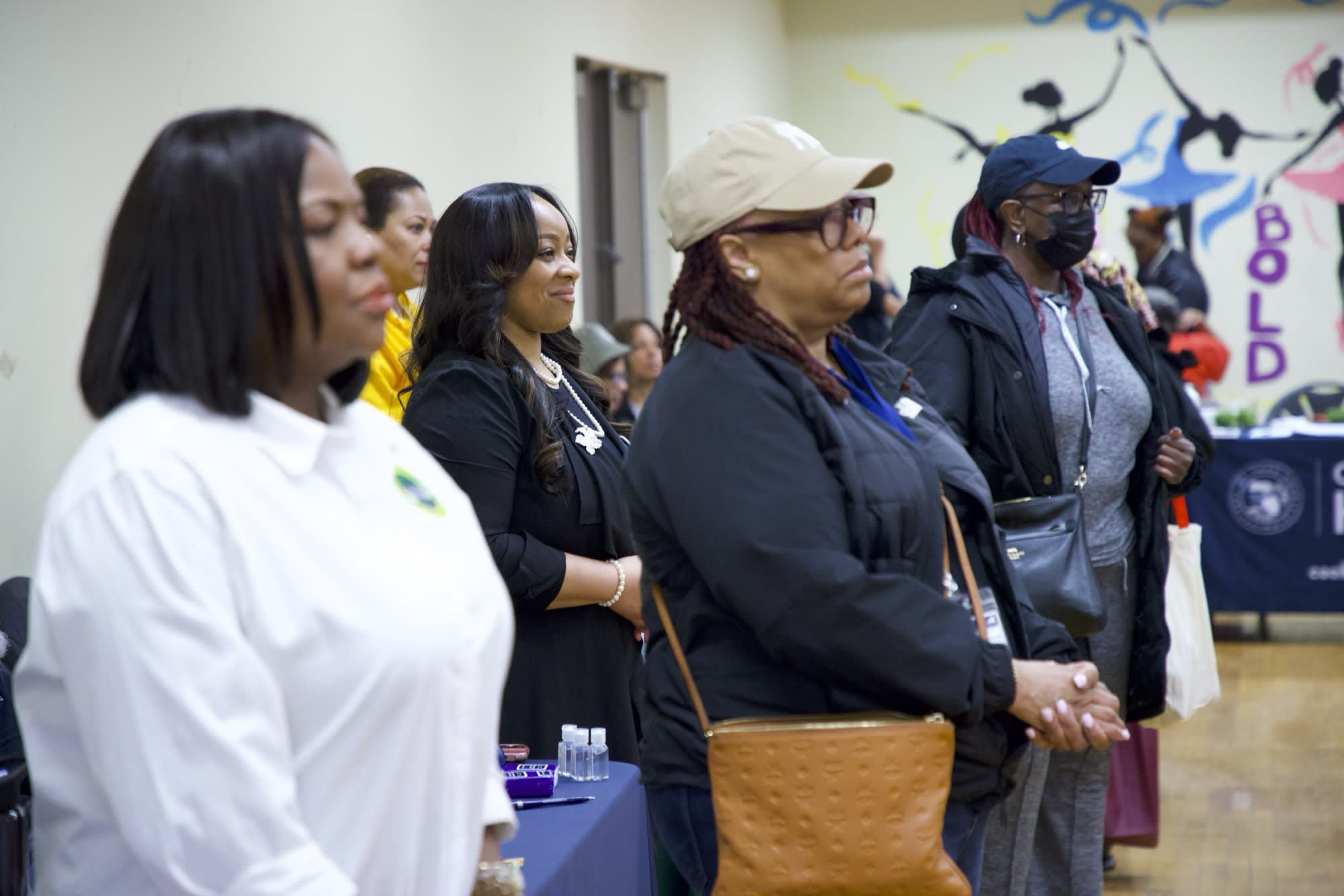
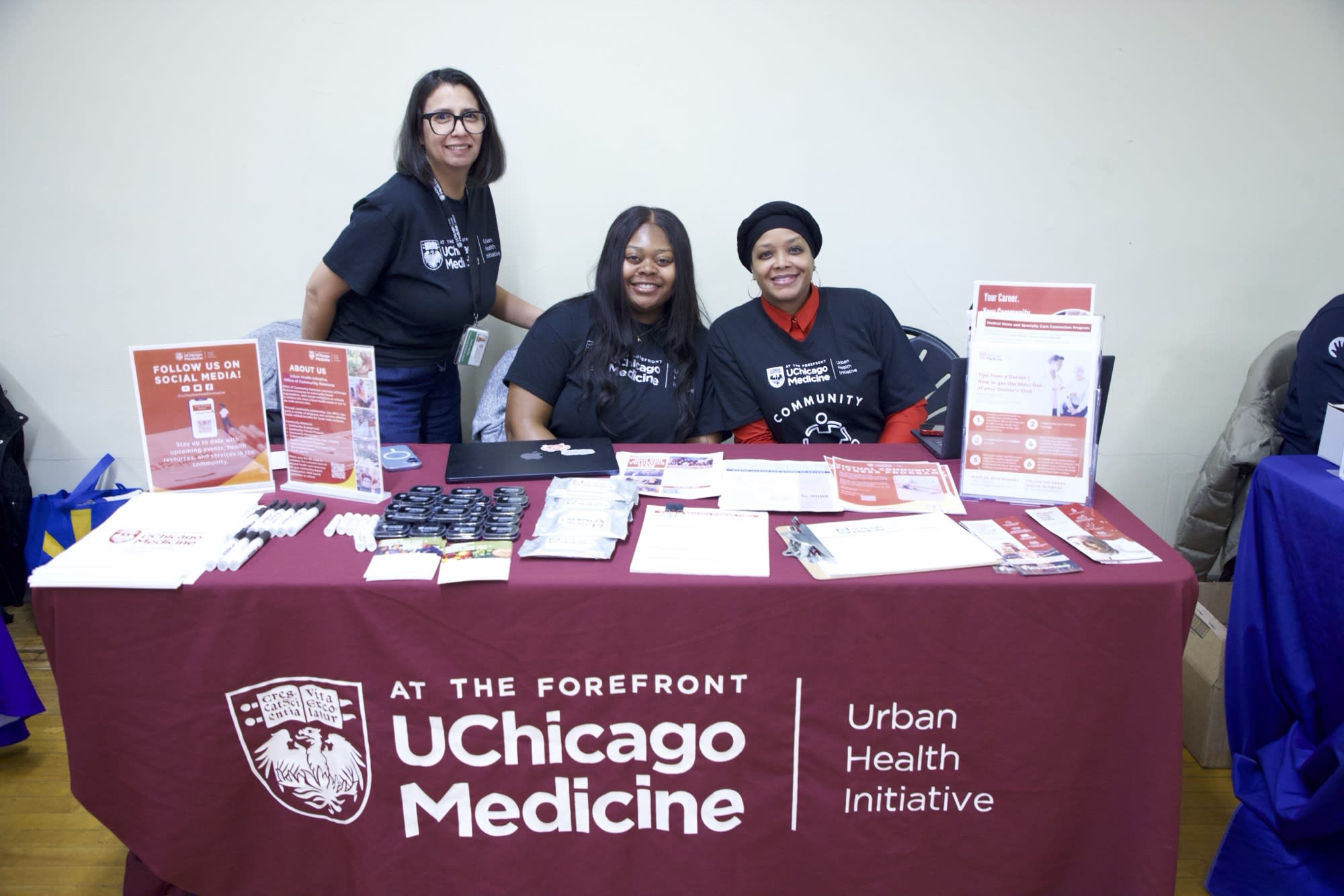
At a bustling Chicago Park District facility in Englewood, physicians, health systems, community organizations, and a slew of dedicated volunteers came together for a Live Healthy Chicago event — sharing resources, free blood pressure checks, and a shared conviction that lasting change in heart health begins in the community, not the clinic.
Englewood is one of 27 Chicago neighborhoods where cardiovascular disease is disproportionately common. Understanding why — and what can be done about it — was at the heart of the event.
By the Numbers
37.1%
Englewood Hypertension Rate
5.2 points above the Chicago city average of 31.9%
9.5 yrs
Life Expectancy Gap
Black Chicagoans live an average of 71.8 years vs. 81.3 years for white residents (CDPH, 2023)
664K
U.S. Deaths Tied to High BP
Hypertension was a primary or contributing cause of more than 664,000 U.S. deaths in 2023 (CDC)
Voices from the Room
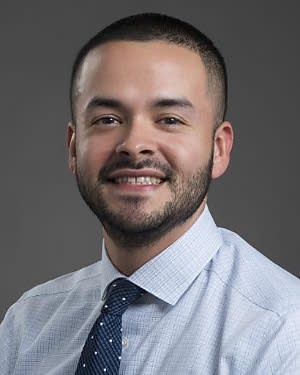
Octavio Vega, MD
Internist, Rush University Medical Center
An internist whose work focuses on the social and environmental factors shaping patient health — the ones that rarely show up in an exam room. Dr. Vega is part of the 31-partner Live Healthy Chicago coalition.
“In the busy day-to-day practice of clinic or hospital-based work, it’s easy to lose sight of some of the issues that affect patients outside of the hospital room and outside of the exam room. Events like this bring us back to thinking about those factors — to really take those into consideration when we’re treating folks who have hypertension so that we can treat the patient holistically.”
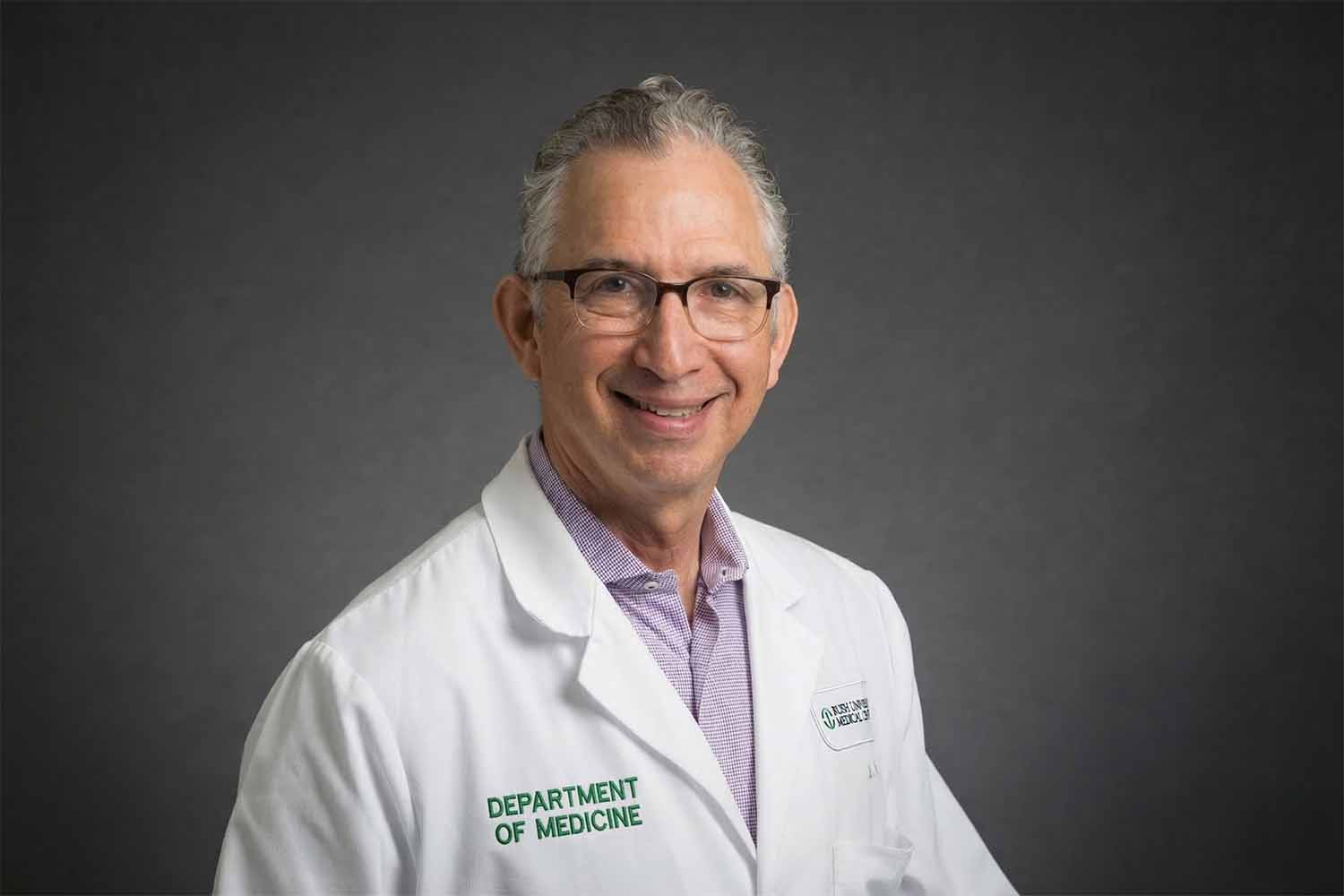
David Ansell, MD, MPH
Senior VP, Community Health Equity, Rush University Medical System
A primary care physician, social epidemiologist, and author whose career has been defined by one question: why do people in some Chicago neighborhoods live so many fewer years than those just miles away? His answer shaped Live Healthy Chicago.
“Imagine you’re a working person. You have parents who are elderly, kids. You’re back and forth commuting. Your blood pressure’s up. You don’t have that much money. You have to pay $30 for parking. You go in, of course your blood pressure’s up in the office, and then they say: ‘Come back in a month.’ That’s no way to treat something like this.”
Evidence-Based Care: The AMA MAP™ Hypertension Program
As part of its community health effort, Rush adopted the AMA MAP™ Hypertension program in 2022, embedding its metrics and reports directly into its electronic health record. MAP stands for three interconnected steps — each one building a more consistent, effective path to blood pressure control:
Measure Accurately
Use a validated, automated blood pressure cuff — not the traditional wall-mounted cuff. Have the patient sit quietly for five minutes beforehand, feet flat on the floor, arm at heart level, and take multiple readings. Accurate measurement is the foundation of everything else. Without it, treatments are calibrated to the wrong target.
Act Rapidly
When blood pressure is elevated, don’t wait. Updated 2025 guidelines from the AMA and American Heart Association call for earlier initiation of treatment — including combination medications — rather than the older approach of tolerating higher numbers before acting. Time matters. The longer blood pressure stays elevated, the greater the risk of stroke, heart attack, and kidney damage.
Partner with Patients
Patients are partners, not passengers. The program emphasizes home blood pressure monitoring, shared decision-making, and building a daily routine — checking twice a day, just like brushing your teeth. When patients understand their numbers and what to do with them, outcomes improve dramatically. Community health workers play a key role in teaching home monitoring and making sure patients feel supported between clinic visits.
How Live Healthy Chicago Works: Three Tiers
Live Healthy Chicago works on three levels at once — reaching people before, during, and after a high blood pressure reading.
Public Awareness Campaign
The first step is getting people to know their numbers. The campaign brings blood pressure education into everyday settings — community centers, faith communities, and public events — using plain language that connects to what people care about most: staying well for family, living longer, and protecting their future. Messaging avoids fear-based framing in favor of empowerment.
Mobile Health Screenings
Community health workers — trained partners embedded in neighborhoods — bring blood pressure screening into spaces people already use. No appointment. No parking fee. No waiting room. This tier creates a pathway from awareness to action, and from a first reading to a follow-up plan. In some community screenings in higher-risk areas, half of those tested have been found to have high blood pressure — many for the first time.
Clinical Transformation
Behind the scenes, Live Healthy Chicago works with health systems to update how hypertension is actually treated in clinics — embedding best practices like AMA MAP into care workflows, supporting home monitoring programs, and using team-based care so that physicians, nurses, pharmacists, and community health workers all share responsibility for outcomes.
“Patients with hypertension should be checking their blood pressure twice a day and think of it as a daily form of health maintenance — like toothbrushing. How complicated would it be if every time a person wanted to brush their teeth, they had to make an appointment with a dentist?” — Dr. David Ansell
Building Trust Through Presence
For communities that have historically experienced underinvestment in health care, showing up consistently matters. Dr. Vega noted that events like this make the medical system feel more accessible and — critically — more trustworthy. Physicians have to take that history of mistrust into account as they counsel patients, making sure people feel heard and like they have a true say in their own care plan.
The math is striking: a 1-point reduction in systolic blood pressure is associated with a 2% reduction in cardiovascular mortality. That’s not a rounding error — it’s a life. Multiplied across 27 neighborhoods, consistent blood pressure control could fundamentally change how long Chicagoans live.
Photos from the Event
Key Terms
New to some of these terms? Tap any card to learn more.
Hypertension
The medical term for high blood pressure. Blood pressure is measured as two numbers: systolic (the top number, when the heart beats) and diastolic (the bottom number, between beats). A reading of 130/80 mm Hg or higher is now classified as hypertension under 2025 AMA/AHA guidelines.
Systolic Blood Pressure
The top number in a blood pressure reading. It measures the pressure in your arteries when your heart beats and pumps blood. A systolic reading of 130 or higher is a key marker of hypertension.
Diastolic Blood Pressure
The bottom number in a blood pressure reading. It measures the pressure in your arteries between heartbeats, when the heart is resting. A reading of 80 or higher is associated with elevated cardiovascular risk.
mm Hg
Millimeters of mercury — the unit used to measure blood pressure. It comes from early devices that used mercury in a glass tube. Today’s devices are digital, but the same scale is used worldwide.
AMA MAP™ Hypertension
An evidence-based quality improvement program from the American Medical Association. MAP stands for Measure accurately, Act rapidly, and Partner with patients. Rush University Medical Center adopted it in 2022, embedding it directly into their electronic health record system.
Community Health Worker (CHW)
A trained community member who bridges the gap between healthcare providers and the people they serve. CHWs in Live Healthy Chicago learn how to take accurate blood pressure readings, explain results clearly, and connect people to follow-up care — meeting residents in familiar community settings, no appointment needed.
Social Determinants of Health
The conditions in which people are born, grow, live, work, and age — including access to healthy food, safe neighborhoods, stable housing, and economic security. These factors shape health outcomes as much as, or more than, clinical care alone.
Blood Pressure Control Rate
The percentage of people with diagnosed hypertension whose blood pressure is successfully managed to a healthy level. Rush’s internal rate is approximately 78%, but in some Chicago communities the rate may be as low as 50% — meaning half of people with high blood pressure don’t yet have it under control.