Walk to Your Friends and Cook Vegetables Together
Rush internist Dr. Kristen Pallok on why blood pressure is really managed outside the clinic, how the Nuna app meets patients where they live — and the refreshingly simple advice she gives for a healthier heart.
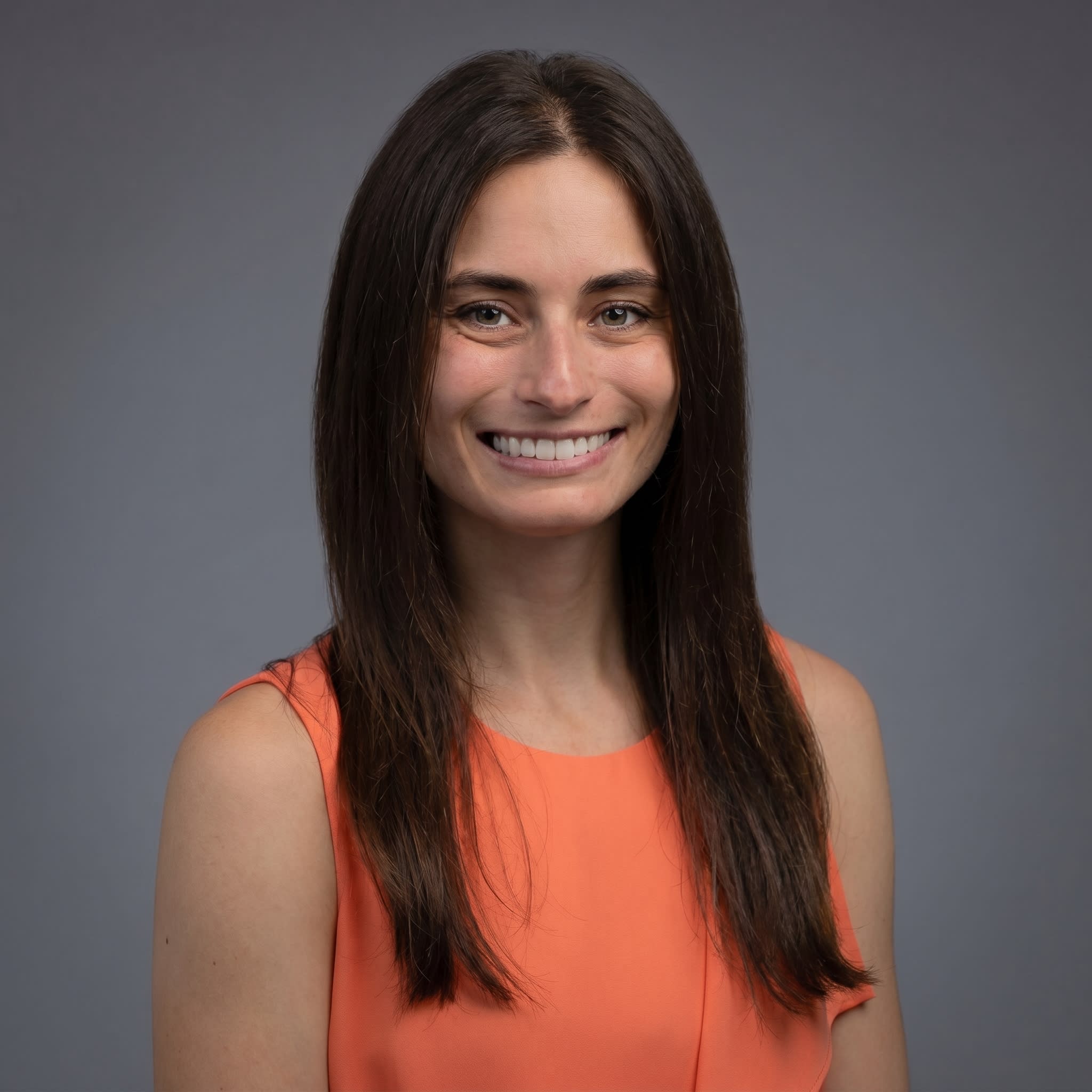
A one-time blood pressure reading is a glance. Risk is a story that unfolds over years — mostly outside the exam room, in the moments between visits. Dr. Kristen Pallok has spent her career learning to see into those moments. And it turns out the most powerful tools are sometimes the simplest.
Dr. Kristen Pallok is an internist at Rush University Medical Center and one of the clinicians putting the Nuna app to work in real clinics, with real patients, across Live Healthy Chicago. In our conversation she explains why remote monitoring matters, what she's learned about getting people to engage with their own health — and, when we asked what she does for her own heart, she gave the kind of answer you can start using today.
01 Health Happens Outside the Clinic
"You come in, you have a one-time blood pressure, and you see that person for 10 minutes," Dr. Pallok says. "Maybe they took their meds that day, maybe they didn't, maybe they were stuck in traffic." Any number of things can move a single reading up or down. But blood pressure isn't a single glance — it's an accumulation of risk over time that leads to strokes, heart attacks, and vascular dementia. And most of that risk builds in the moments care teams never see.
"Blood pressure is a risk. It's not just one glance into one visit at a clinic. It's an accumulation of risk over time.
Remote monitoring opens a door — especially for people facing what clinicians call the social determinants of health. Dr. Pallok hears it constantly: patients choosing between paying for hospital parking and buying food for their family. When blood pressure can be measured at home, a patient who might otherwise disappear for months stays connected, gets to better control faster, and keeps a thread of continuity that the rest of the system — with its long waits and fragmented urgent-care visits — rarely provides. As the American Medical Association urges: act rapidly.
02 The App as Everyday Education
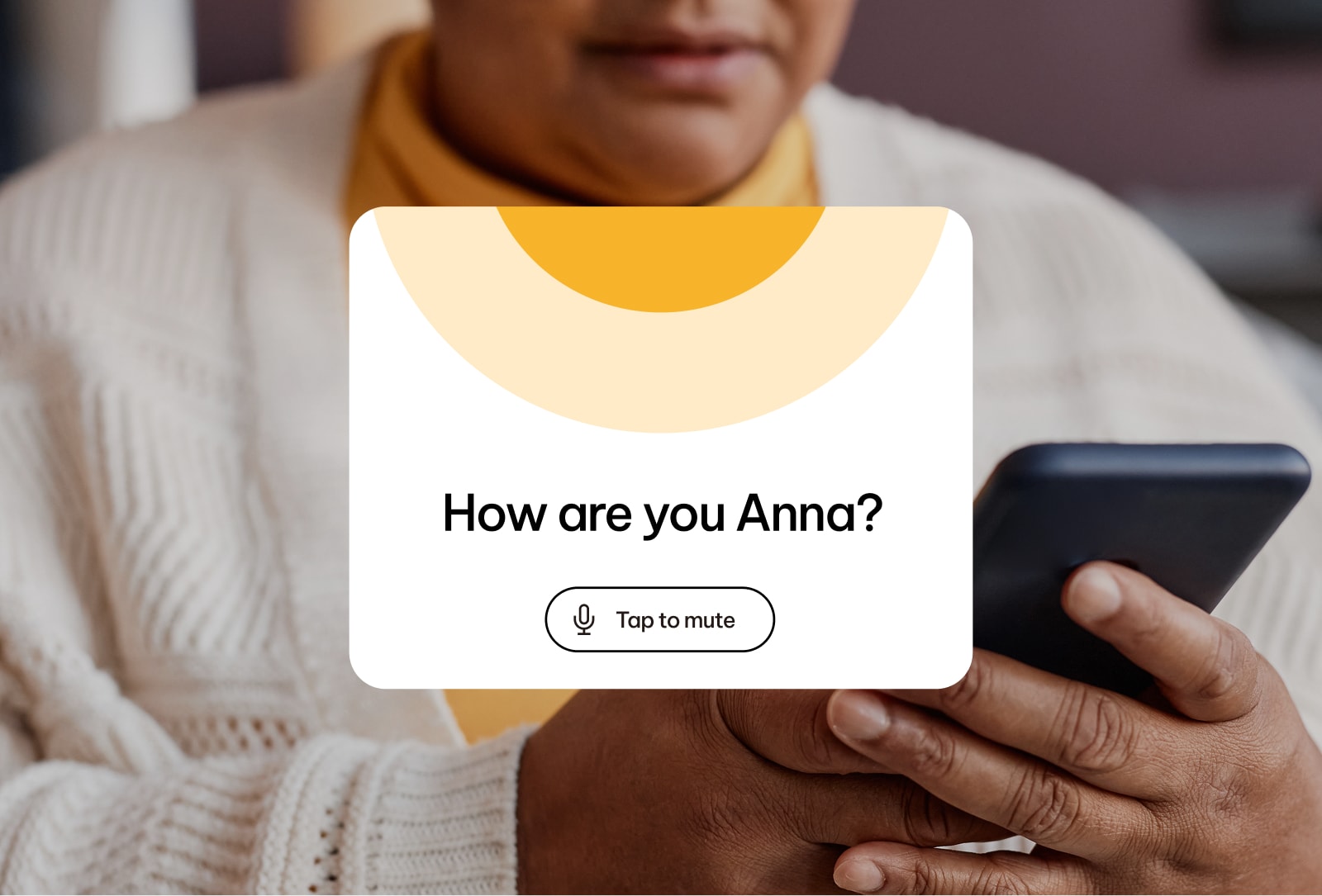
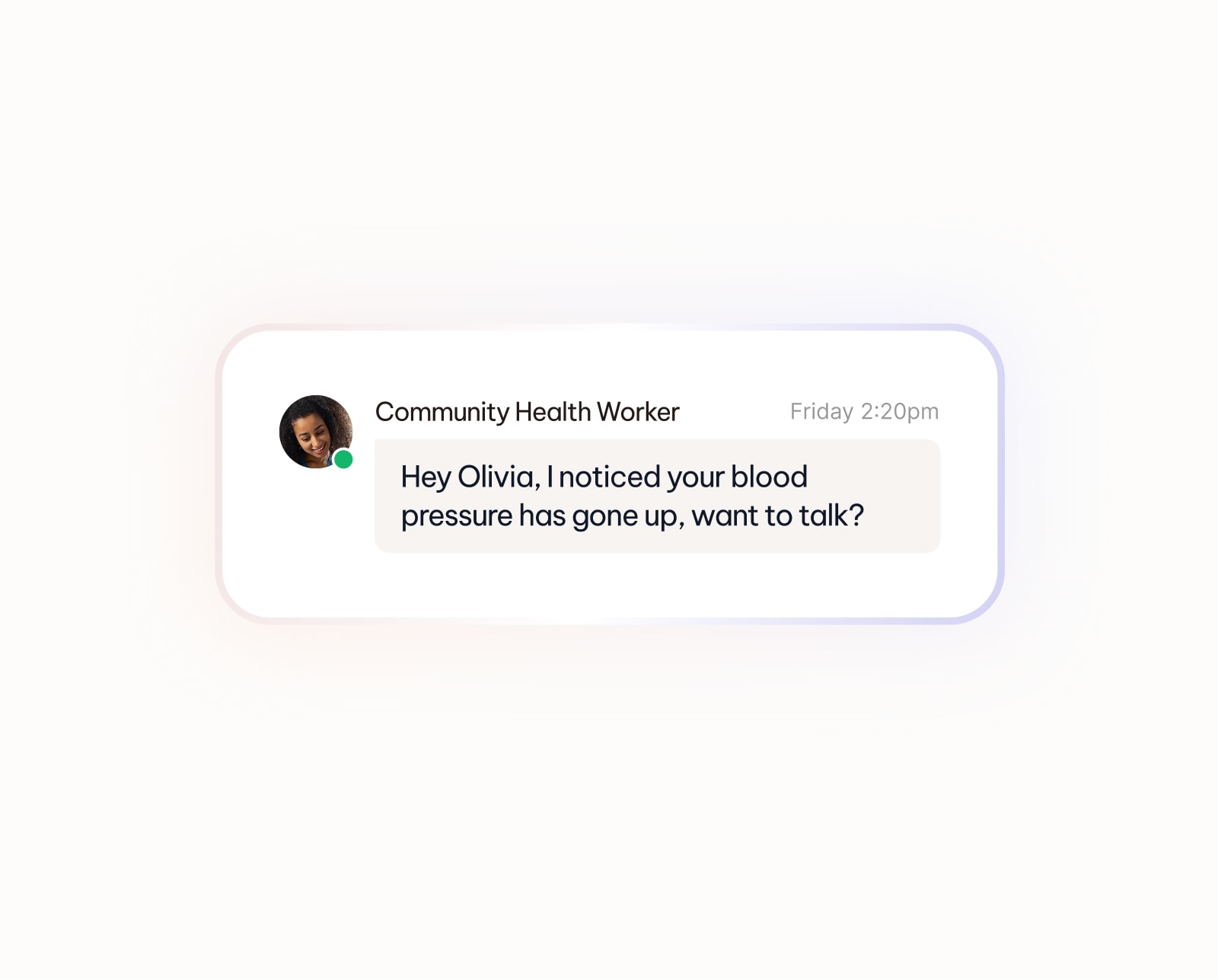
Much of Nuna's approach grew out of a Rush program called E3, in which a social care team educated patients about hypertension, helped with medication adjustments, and wrapped support around the patient. Those lessons became the app — so a person at home can ask, in the moment, "My blood pressure is this; should I put chicken on my salad, or beef?" and get real-time feedback. That kind of nutrition coaching almost never fits inside a packed clinic visit.
"Everyone wants physicians to focus on nutrition in the visit, and it's not because we don't want to," she says. "It's the laundry list of things people come in with — the time runs out." The app fills that gap, and can tailor guidance to the whole person: what to eat for diabetes versus hypertension, or how to adjust when chronic kidney disease is in the mix.
Inside the Nuna app
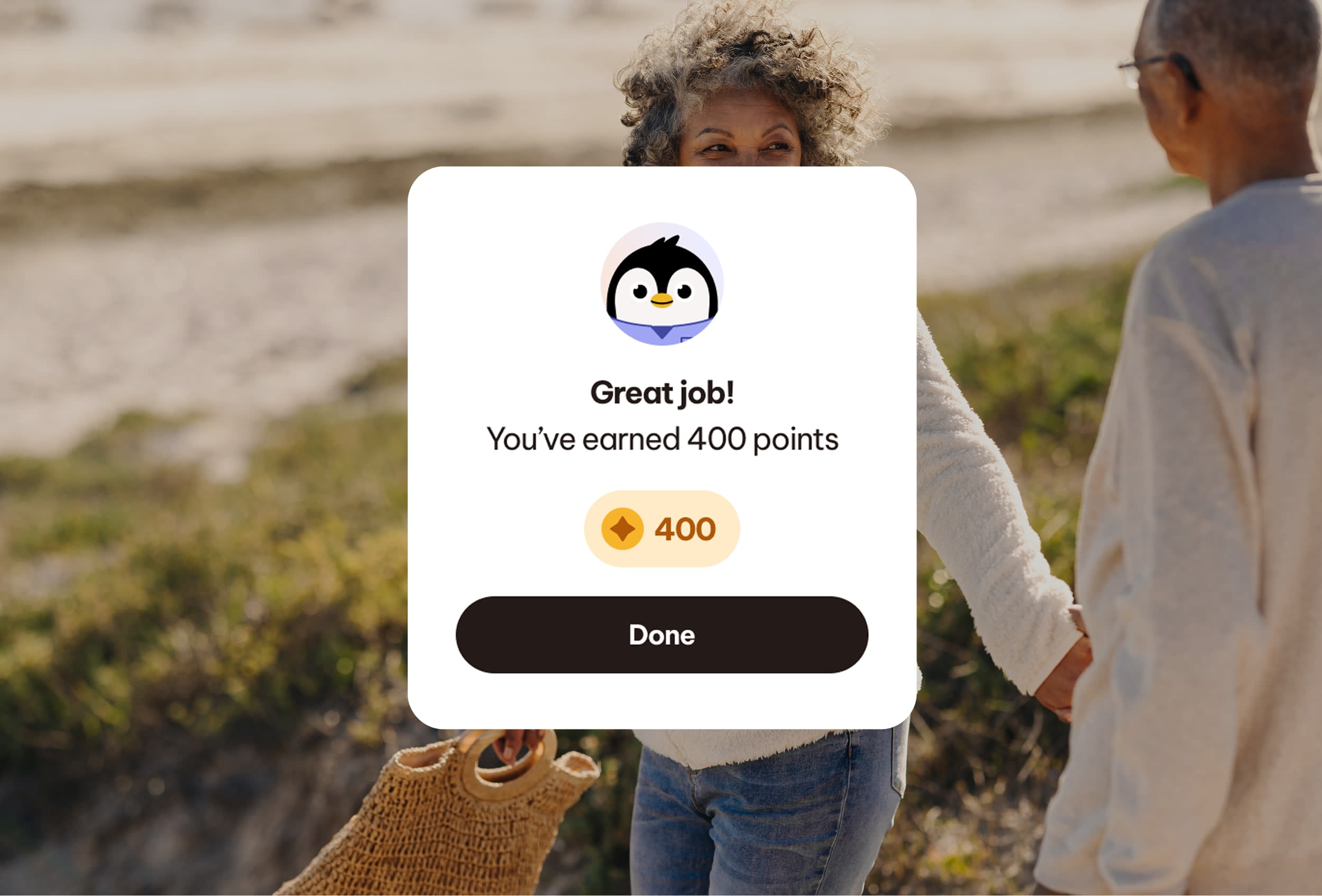
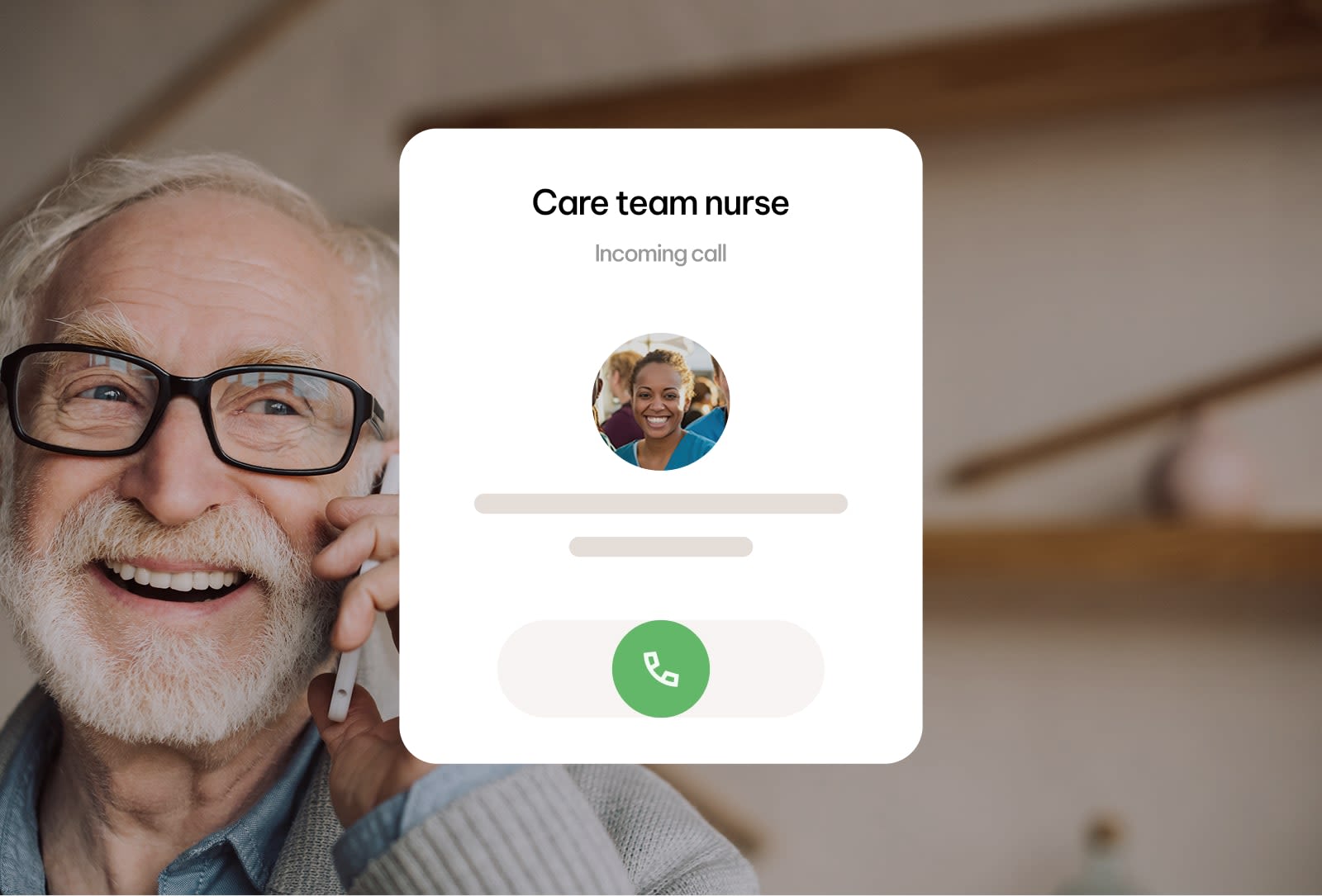
The coach Dr. Pallok and her patients use — feature by feature.
03 Who’s Actually Using It
There was real skepticism at the start: could you get people in their 80s and 90s to use a phone app? "The answer is, a lot of folks do," Dr. Pallok says. Many people have smartphones regardless of income, and there's genuine appetite to engage — among patients of every age.
The harder lesson has been calibration: how much nudging actually helps, versus how much makes someone want to back off. Getting it right — in the office and in the app — is where the trust piece comes in.
04 Lowering the Trust Barrier
The biggest hurdle is simply getting someone to try. And here Dr. Pallok found something powerful: when a doctor prescribes Nuna, the trust barrier drops dramatically. "You already have a relationship with the nurse practitioner or physician you're seeing. If someone says, 'I really think this is a good idea for you — I want to see your blood pressures because I want to do a better job taking care of you,' people are far more likely to engage."
Engagement that fades is the other challenge. In earlier programs, people would participate for a few months and then stop — which is exactly why Nuna leans on gamification to keep people reading about their health and checking their numbers. Because blood pressure isn't static: it shifts with age, diet, drinking, even how much you're sweating in the summer. "We've seen much better engagement now," she says.
05 Built for Medicaid First — and Spreading Across the City
Here's what surprised us most. Nuna was designed and implemented at Rush specifically for a Medicaid population. "How often do you see technology designed for folks in need on Medicaid?" Dr. Pallok asks. "Usually it's designed to help people with private insurance — they get the early access. We wanted it to be the reverse."
Now the work is taking it to the community health centers it was always meant for — places where remote monitoring and these education tools have been out of reach because they're simply too expensive for many FQHCs to buy on their own.
06 What Success Looks Like
In the near term, success is measured in one number: blood pressure control, and especially systolic blood pressure — the figure that most drives heart-disease risk. Even small, steady improvements across clinics would signal real change in cardiovascular risk over time.
To see it, partners including AllianceChicago and a team from Northwestern working through the CAPriCORN network are building a shared dashboard for Live Healthy Chicago — letting clinics across a fragmented system, including FQHCs, finally see blood-pressure data together and understand where they sit in the ecosystem. Alongside the technology, the coalition is teaching up-to-date measurement technique, working with medical assistants and nurses, and even purchasing validated automated cuffs for clinics that lacked them — quality improvement wrapped around the newly updated 2025 guidelines.
07 What's On Her Own Phone
Dr. Pallok practices what she prescribes. She keeps a digital cuff at home — "it doesn't have to be anything super fancy" — and she has the Nuna app on her own phone, so she understands exactly what her patients see and the kind of messages it sends.
Looking ahead, the app is built to fold in the data people already collect: fitness and step counts through Apple Health or Android, and — on the roadmap — continuous glucose monitors like Dexcom and Libre. The goal is a fuller, more human picture of a person's health, assembled from the devices already in their lives.
08 Vegetables, Salt & Walking
So we asked the obvious question: what does she do for her own blood pressure? The answer was disarmingly simple — exercise and eating. Hypertension runs in her family, and she's quick to note that genetics is strong, but so is culture: families tend to eat and move in similar ways, so it's worth being honest about both.
She uses a lot of olive oil, tries not to add salt — "sodium is one thing that, evolutionarily, our kidneys just don't process well" — and eats a lot of vegetables. With patients, she keeps the first step almost playfully small.
Her "homework" for patients
Eat at least one vegetable every single day. It's a SMART goal — short, actionable, measurable, and time-bound. "By the time you come back, I want to hear that you're incorporating vegetables into your diet."
It doesn't have to be salad, she says — any array of vegetables, lean proteins, and whole grains will do. Her bigger point is one most of us get backwards: in the U.S. and most wealthy countries, people aren't protein deficient.
"People are fiber deficient. Ninety percent of the United States is fiber deficient — because we don't eat enough whole grains, vegetables, and fruit.
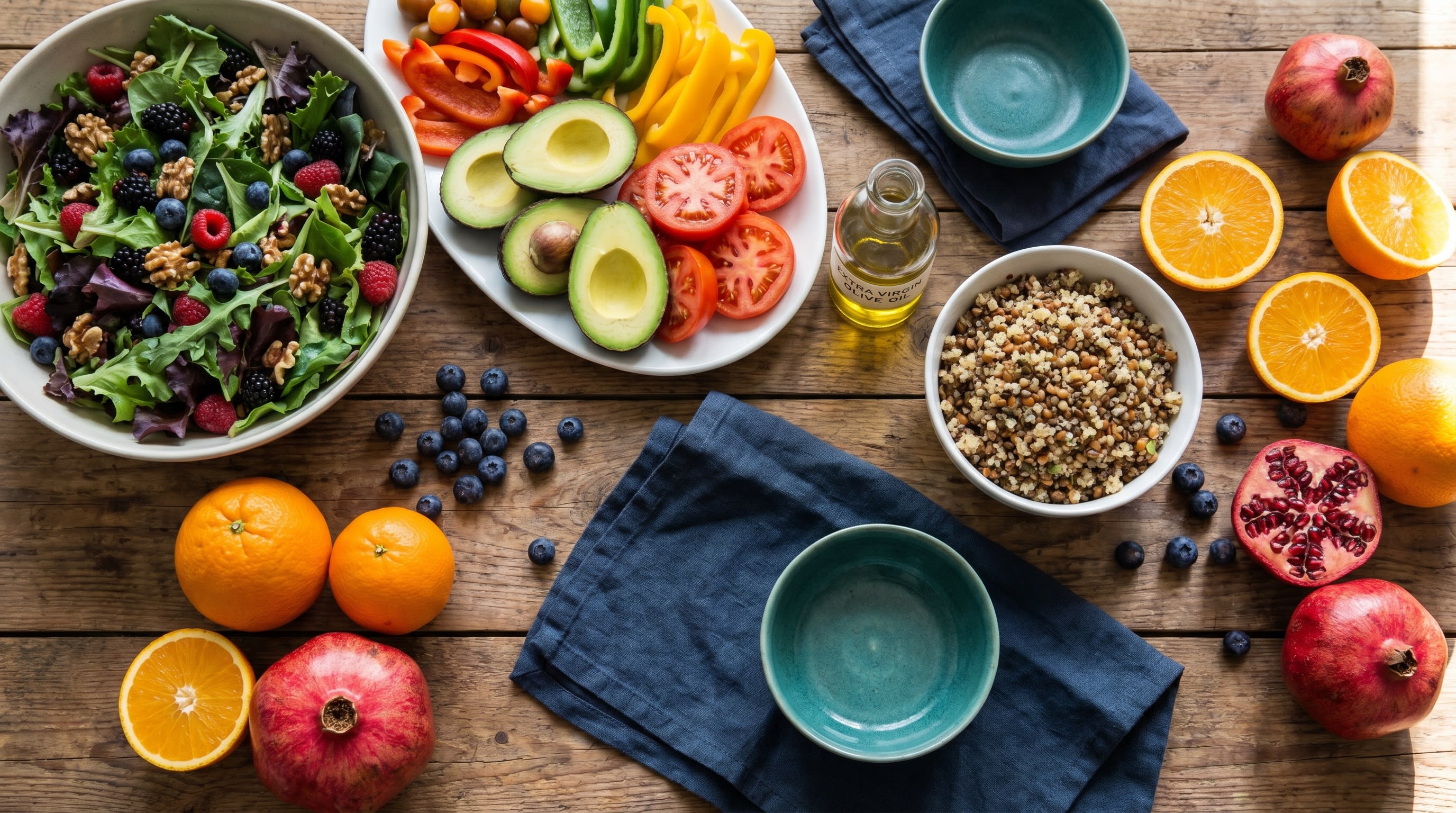
She points to the Mediterranean as a model — "really cute older grandmothers who are super functional," still gardening and sweeping into old age because they stay active, walk instead of drive, eat a balanced diet, and have strong social cohesion. That last ingredient, she notes, isn't well baked into American healthcare, and we have to make a conscious effort to get it back.
When we summed it up — vegetables and walking — she laughed. "Pretty much. It's pretty simple." Or, as she put it best:
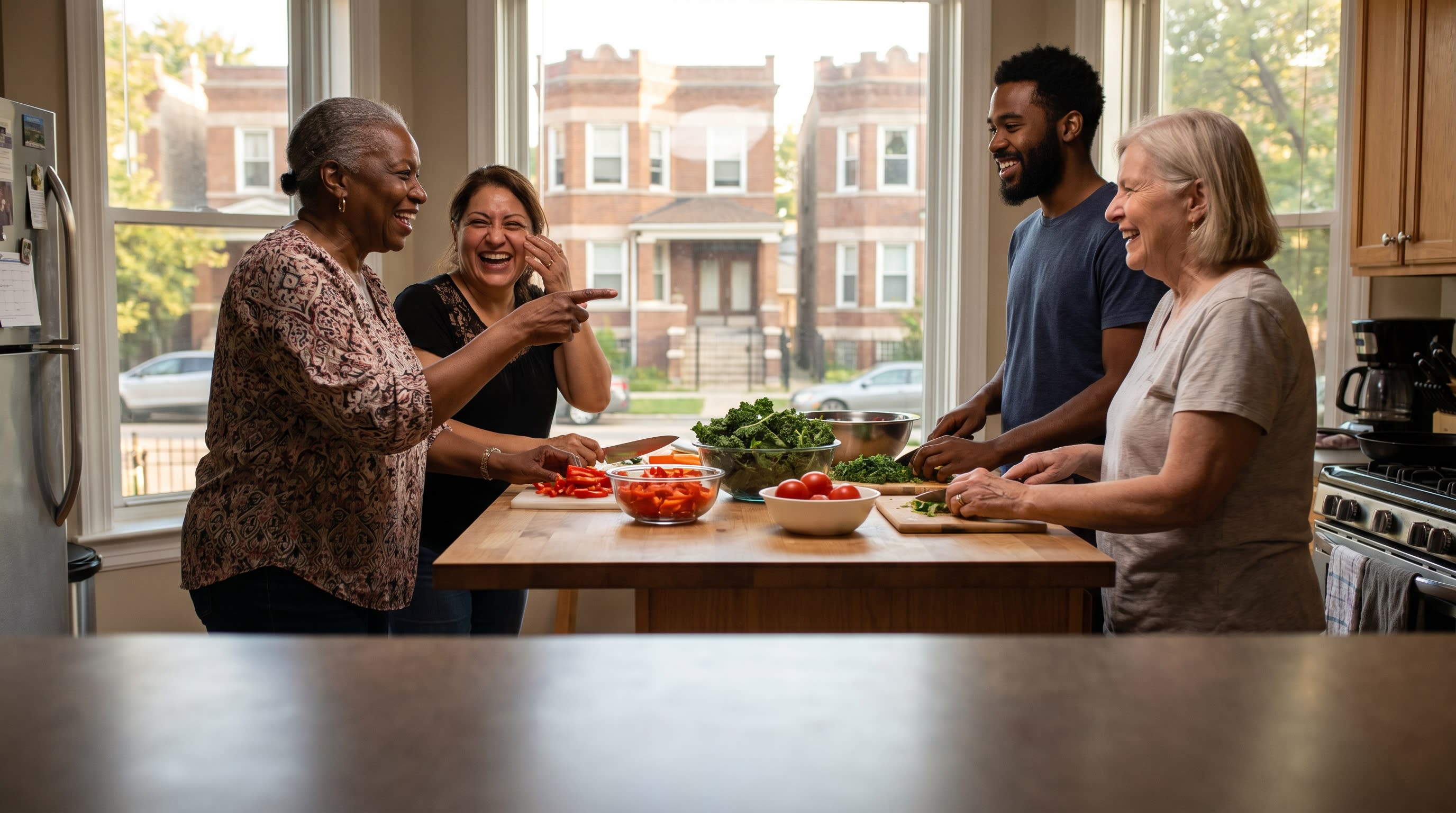
"Walk to your friends and cook vegetables together.
Explore the movement
See the partners, the 27 priority neighborhoods, and how community-rooted care and simple, everyday habits come together across Chicago.
Explore LiveHealthyChicago.com